“An Artist’s Journey Through Japan” explores the beautiful crafts passed down from one generation to the next across Japan.
This time, artist Tsuyumi Miwa visits Imbe, in Bizen City, Okayama Prefecture. Known as the home of Bizen ware, Imbe is one of Japan’s historic pottery towns, where the tradition has taken shape over many centuries.
Made without glaze, Bizen ware takes its character from the interplay of earth and fire. Each piece emerges with a distinct surface, shaped by the natural changes that unfold inside the kiln. Through the work of Kimura Tōtōsai and his son, Miwa reflects on the enduring appeal of this pottery.
Episode 4: Bizen Pottery, Okayama — Where Earth and Fire Shape Every Piece
Inbe, in Bizen City, Okayama Prefecture, is known as the home of Bizen ware.
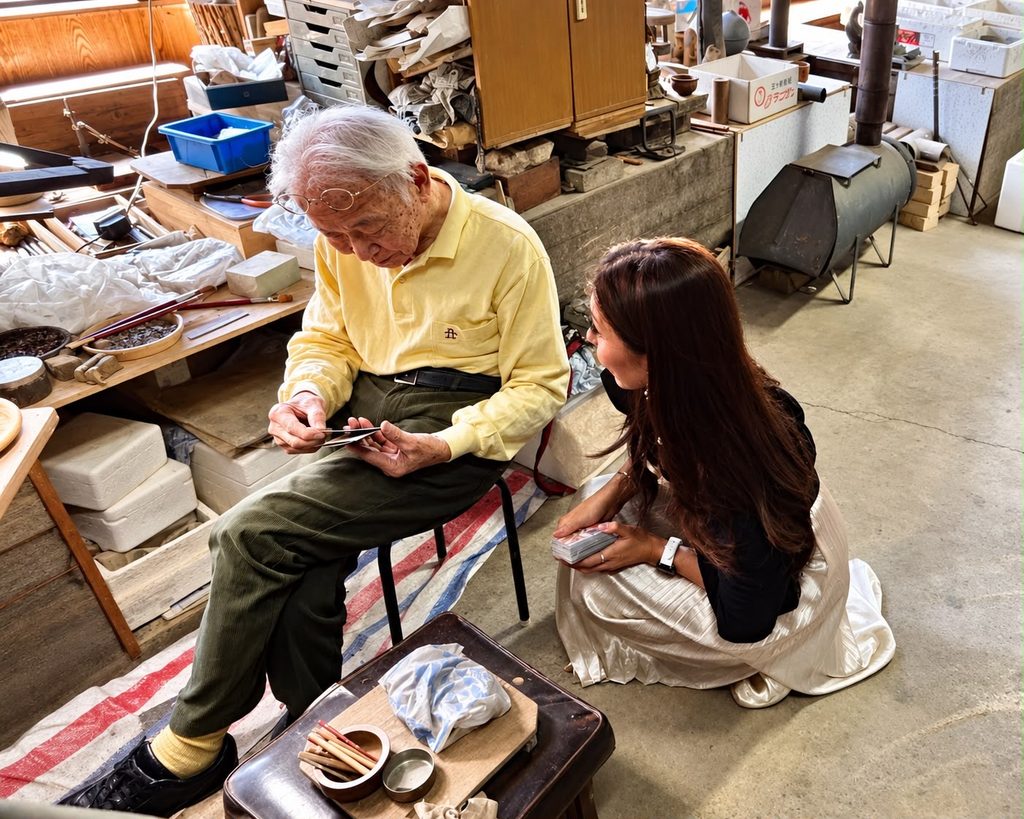
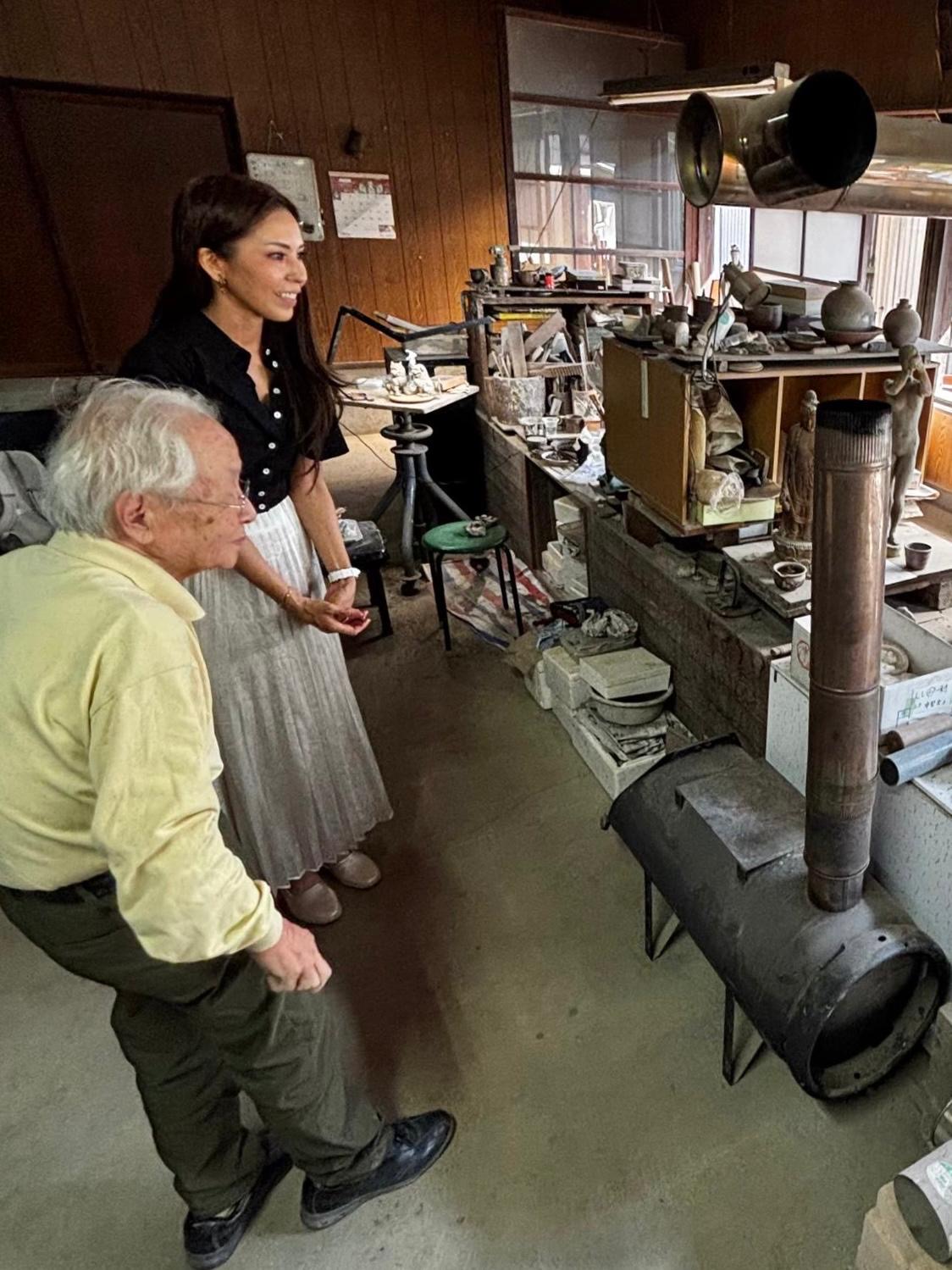
Here, pottery has long been part of daily life, and the tradition of Bizen ware has been passed down through generations. We visited the kiln run by the Kimura family, who have made Bizen pottery for 26 generations. The family is said to have served the Bizen domain during the Edo period and later became an official supplier to the Imperial Household.
Inside the workshop, the scent of clay and wood smoke lingered in the air. Shelves were lined with vessels waiting to be fired. The tools and works gathered throughout the space seemed to hold the traces of generations of craftsmanship.
A Landscape Shaped by Earth and Fire
One of the defining features of Bizen ware is that it is made without glaze or painted decoration. The natural character of the clay takes center stage, while the colors and patterns that emerge during firing become part of each piece’s expression.
Inside the kiln, flames move unpredictably and ash settles across the surface of the vessels. The patterns created by the meeting of clay, ash, and flame remain unknown until the kiln is opened. Even pieces made in the same form emerge with their own distinct appearance.
Firing Bizen ware can continue for many days. The movement of the flames and the way ash settles cannot be fully controlled. The final result remains a mystery until the kiln is opened. The Kimura family accepts this uncertainty, working in partnership with earth and fire to bring each piece to life.
Glaze: A glassy coating applied to the surface of ceramics or enamelware.
The Memory of the Hands, Shaping Each Vessel
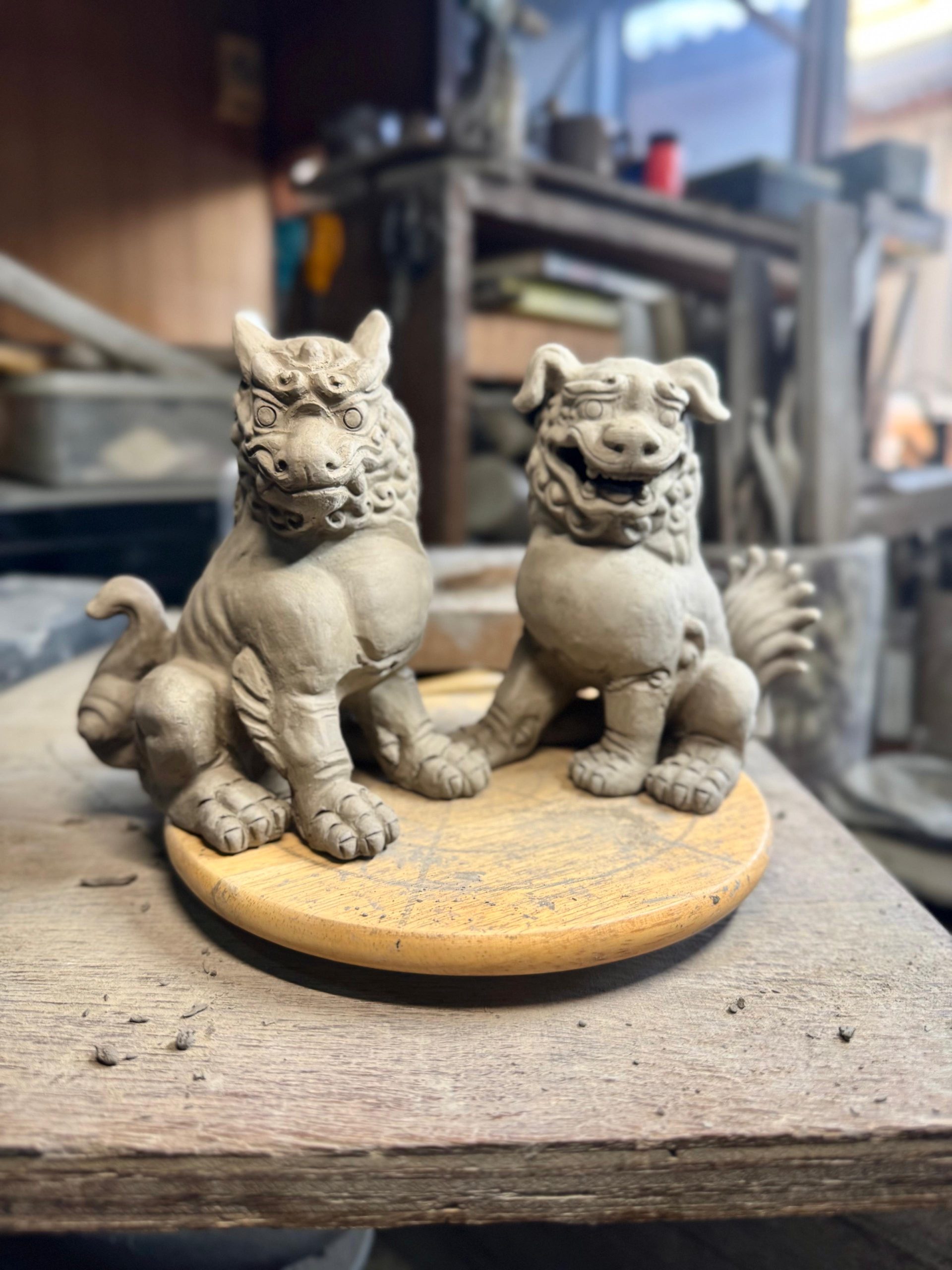
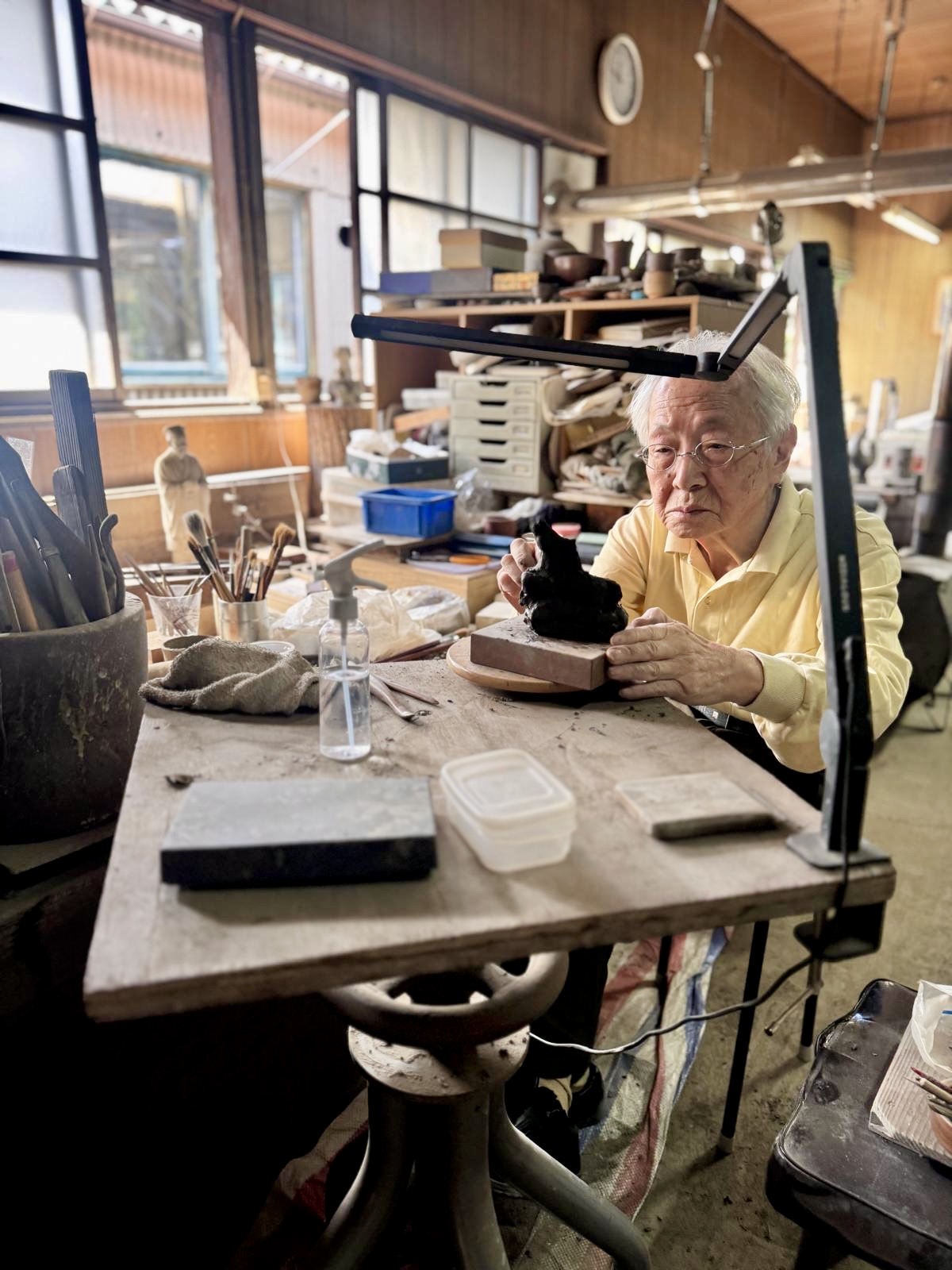
In the workshop, Tōtōsai Kimura and his son, Tōzan Kimura, worked side by side, each focused on the clay before him.
Under their hands, the clay gradually took form. They seemed to understand the material instinctively, drawing on years of experience to guide each vessel. Watching them work, I sensed both the trust they have built as father and son and the skill passed down through generations.
The appeal of Bizen ware lies in allowing the character of the clay to speak for itself. Its colors, textures, and patterns vary with every firing. Simple yet full of subtle detail, each piece reveals a different expression the longer you look. This quiet beauty has long drawn tea practitioners, collectors, and ceramic enthusiasts to Bizen ware.
Within every vessel is a meeting of earth, fire, time, and the hands that guide them.
A Scene from the Workshop, Captured on Canvas
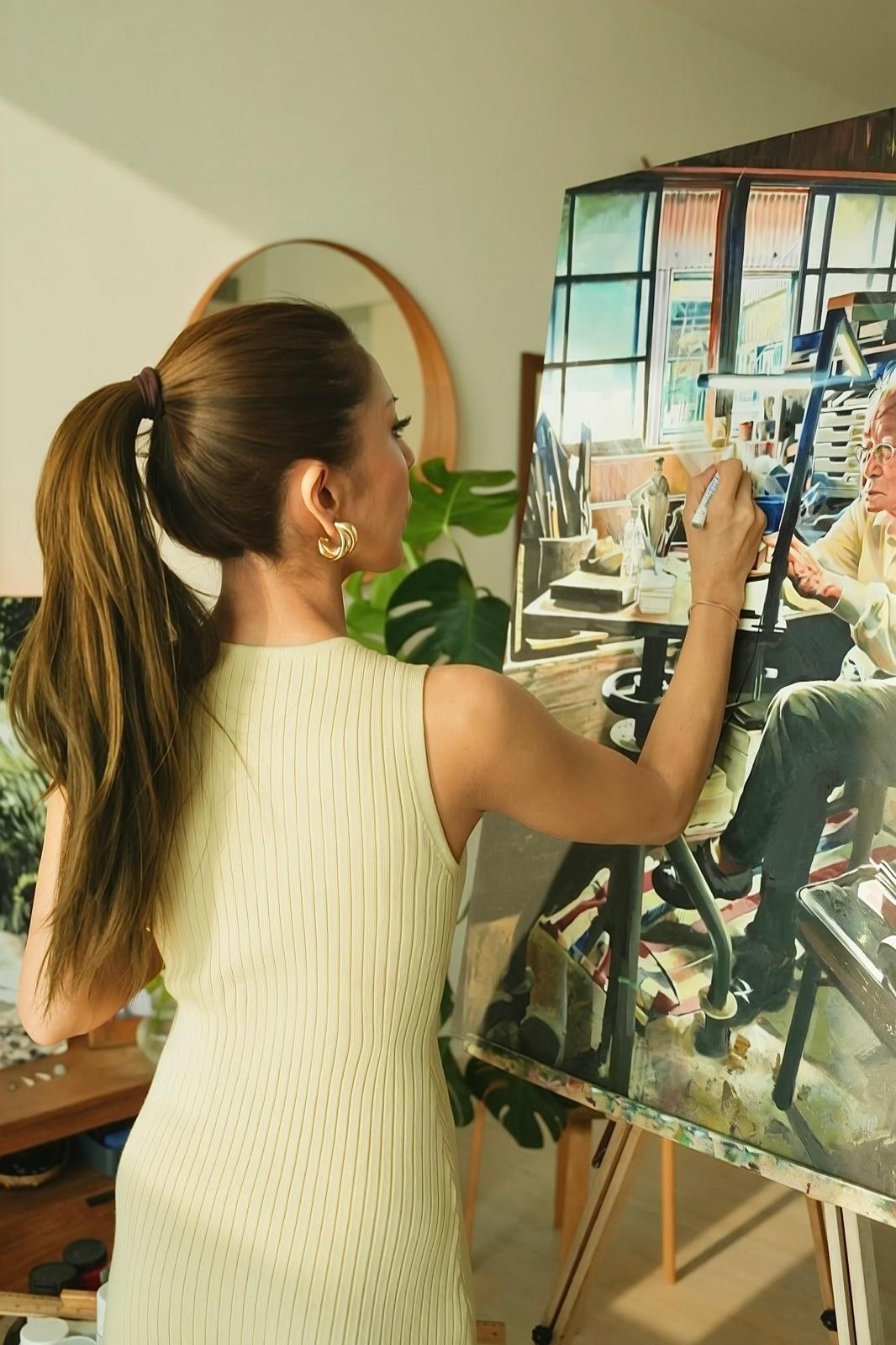
The visit inspired a painting titled Bizen Pottery “Wood-Firing Ceramics.”
I wanted to capture not only Kimura Tōtōsai at work, surrounded by tools and the light falling through the workshop windows, but also the atmosphere of a craft shaped by generations of practice.
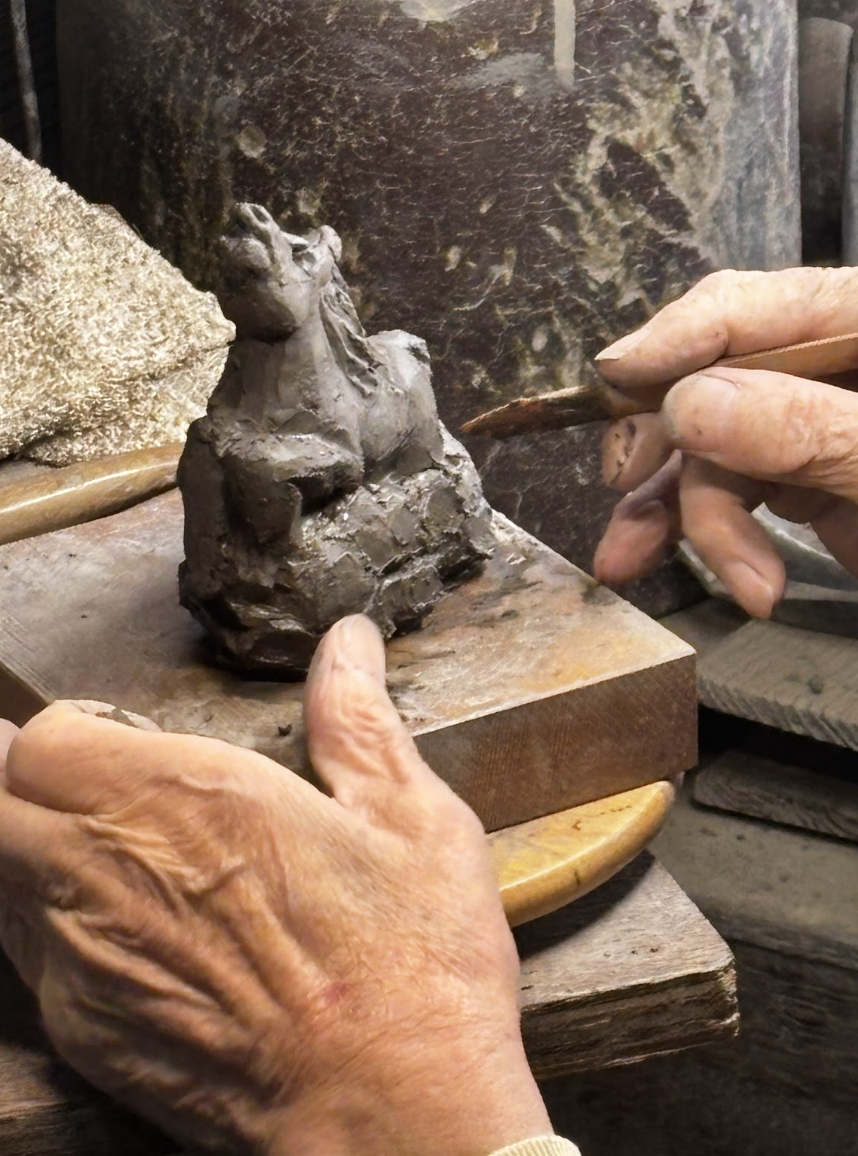
Just as each piece of Bizen ware takes shape by embracing the unpredictability of earth and fire, the workshop holds the stories of people and place that have grown over time. Watching the potter at work brought me closer to the daily practice behind each finished vessel and to the people who have carried this craft forward.
After the Exhibition in Singapore
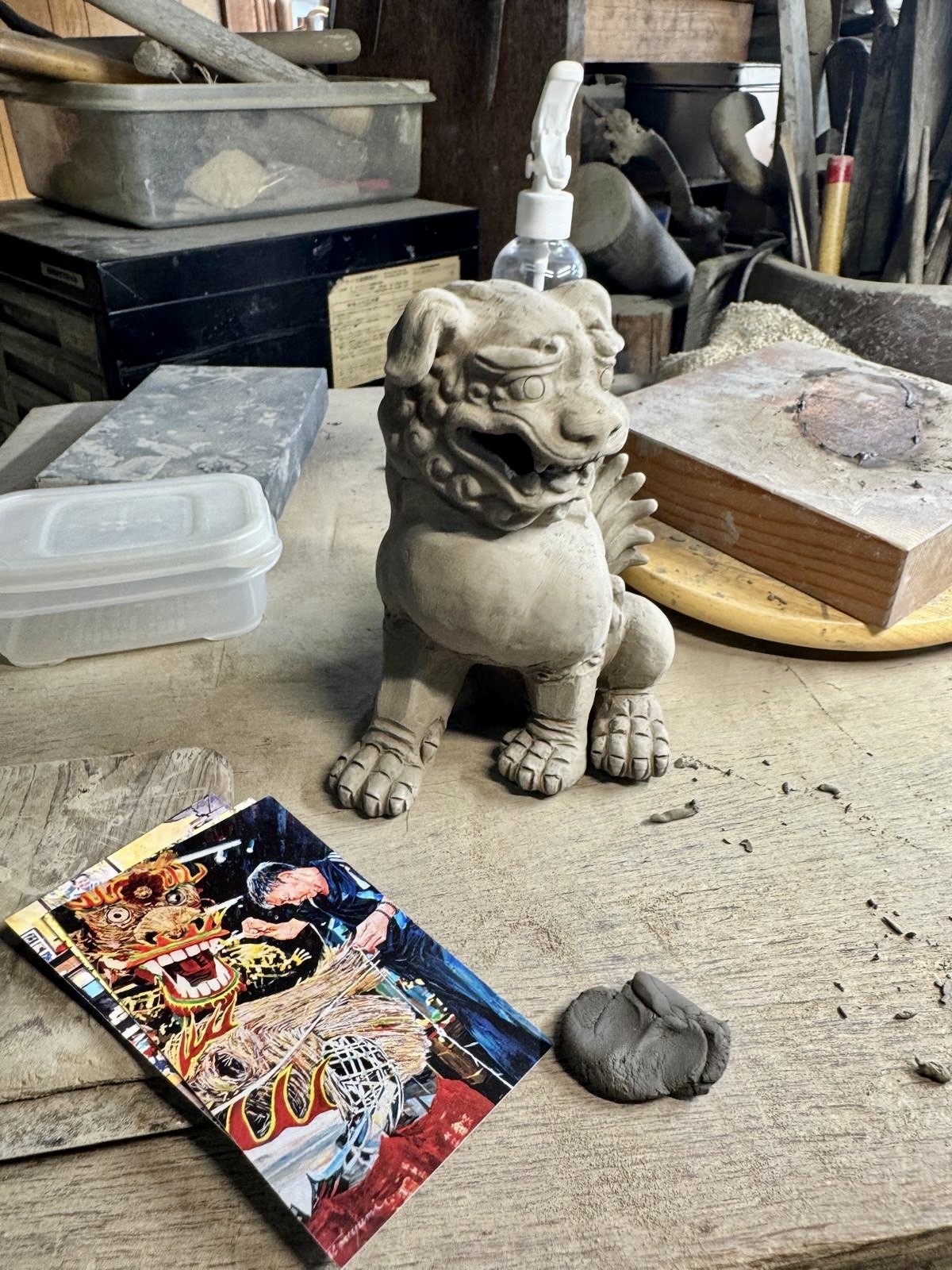
This painting was also presented at Woven Memory of Culture, an exhibition held from September 29 to October 10, 2026, at the Japan Creative Centre in Singapore. The exhibition commemorated the 60th anniversary of diplomatic relations between Japan and Singapore.
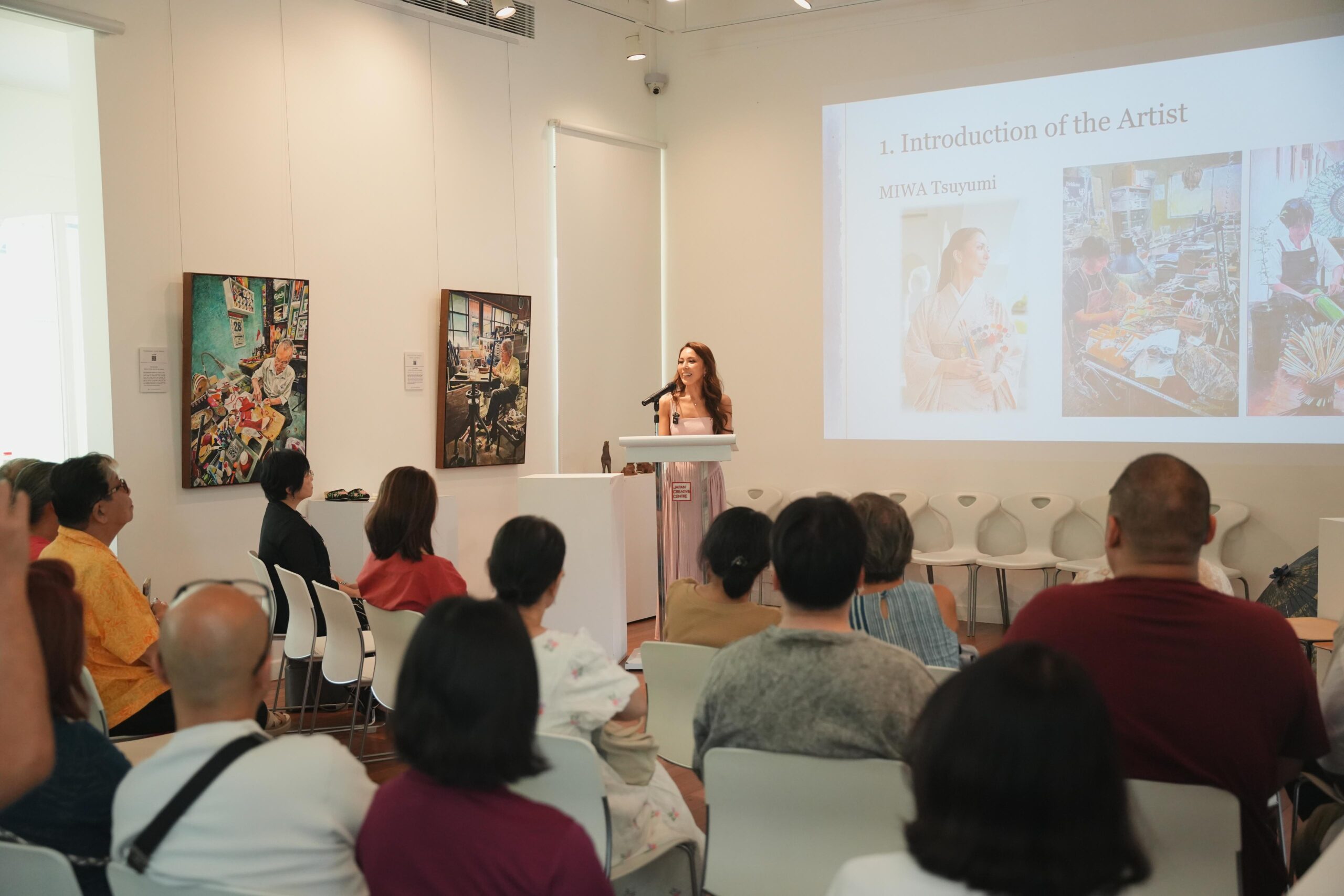
Through portraits of craftspeople and cultural practitioners from across Japan, the exhibition introduced the traditions rooted in each place and the people who carry them forward. It concluded on a high note.
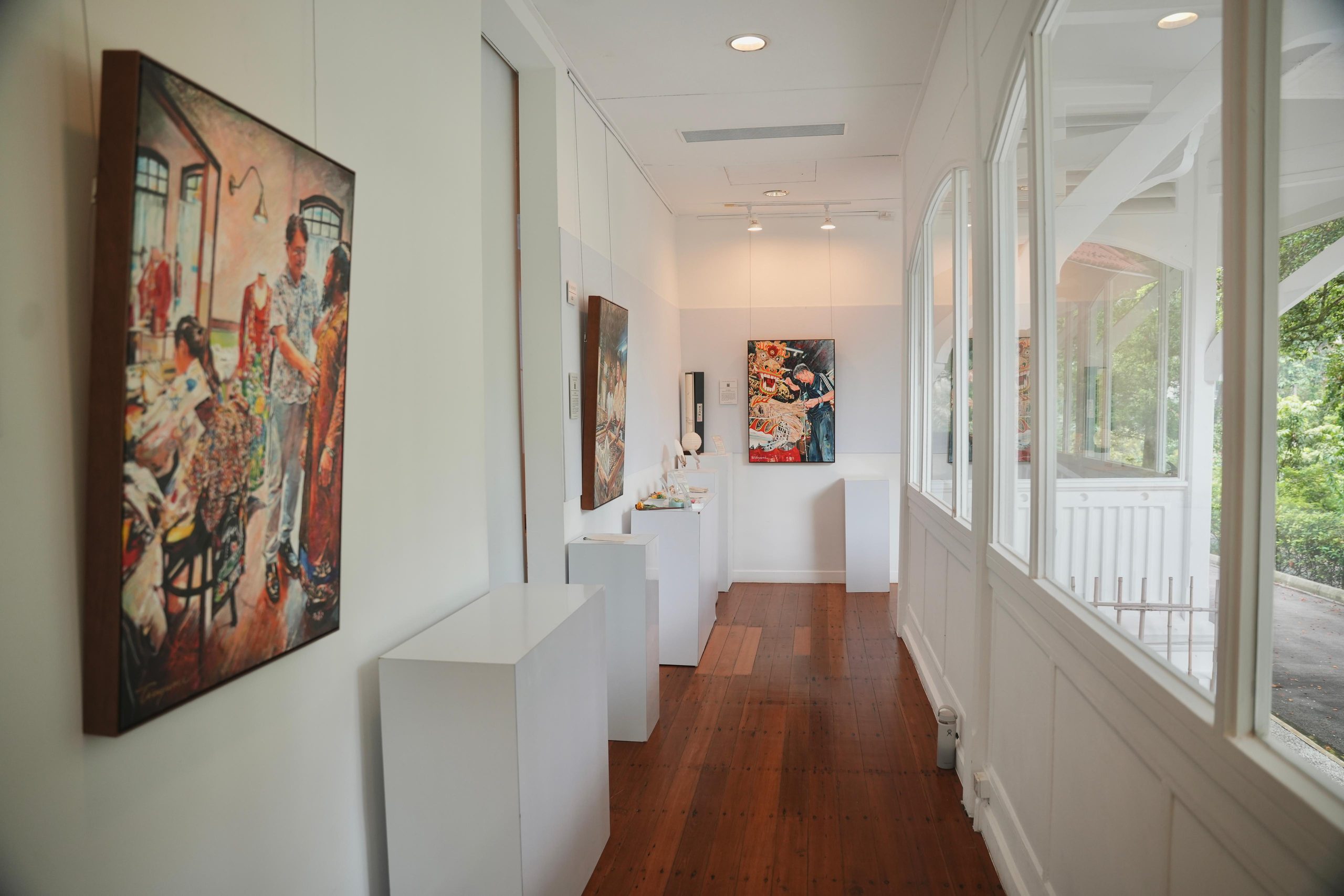
I was glad to receive such a warm response from visitors in Singapore and to see them take an interest in Japan’s culture and the work of its craftspeople.
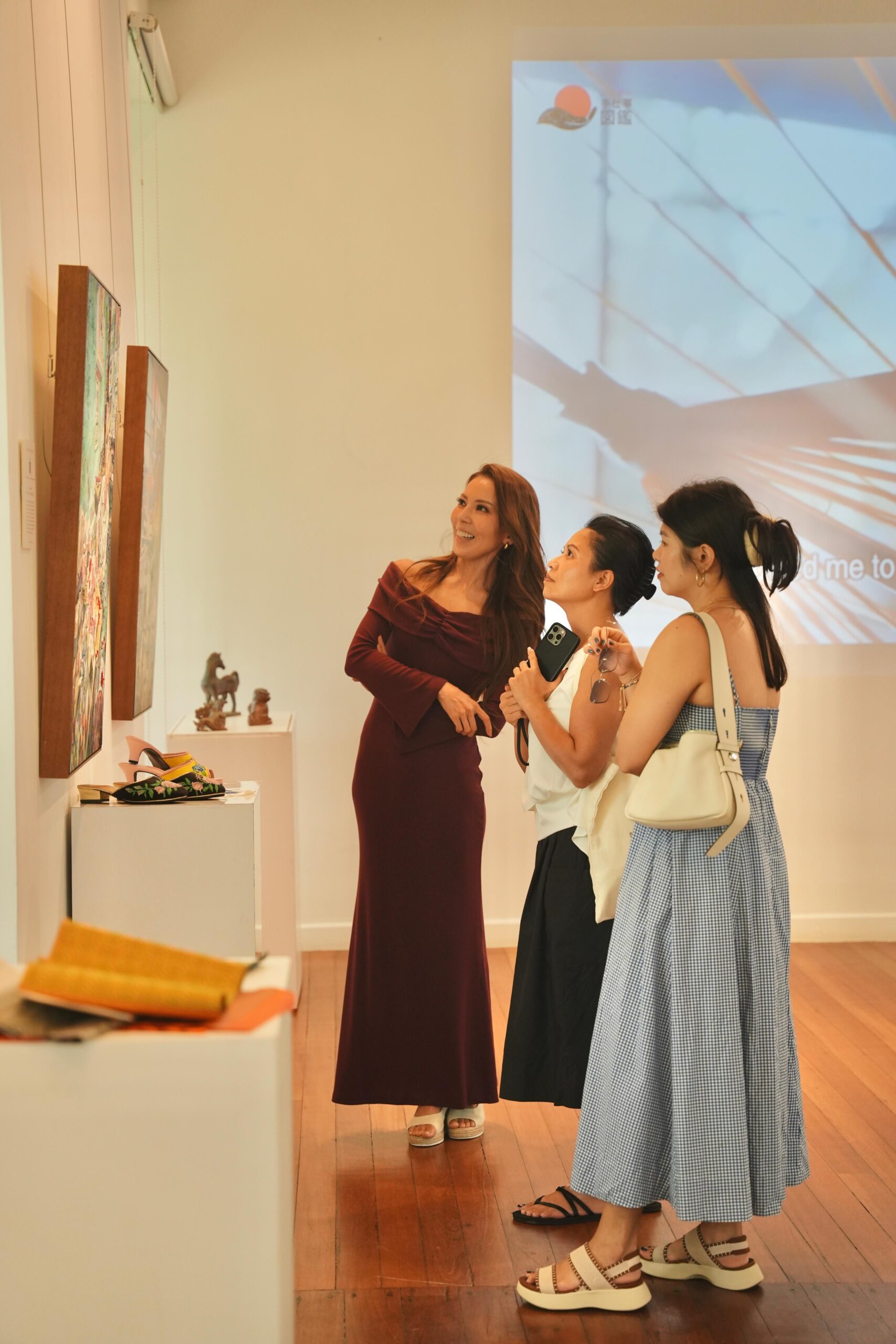
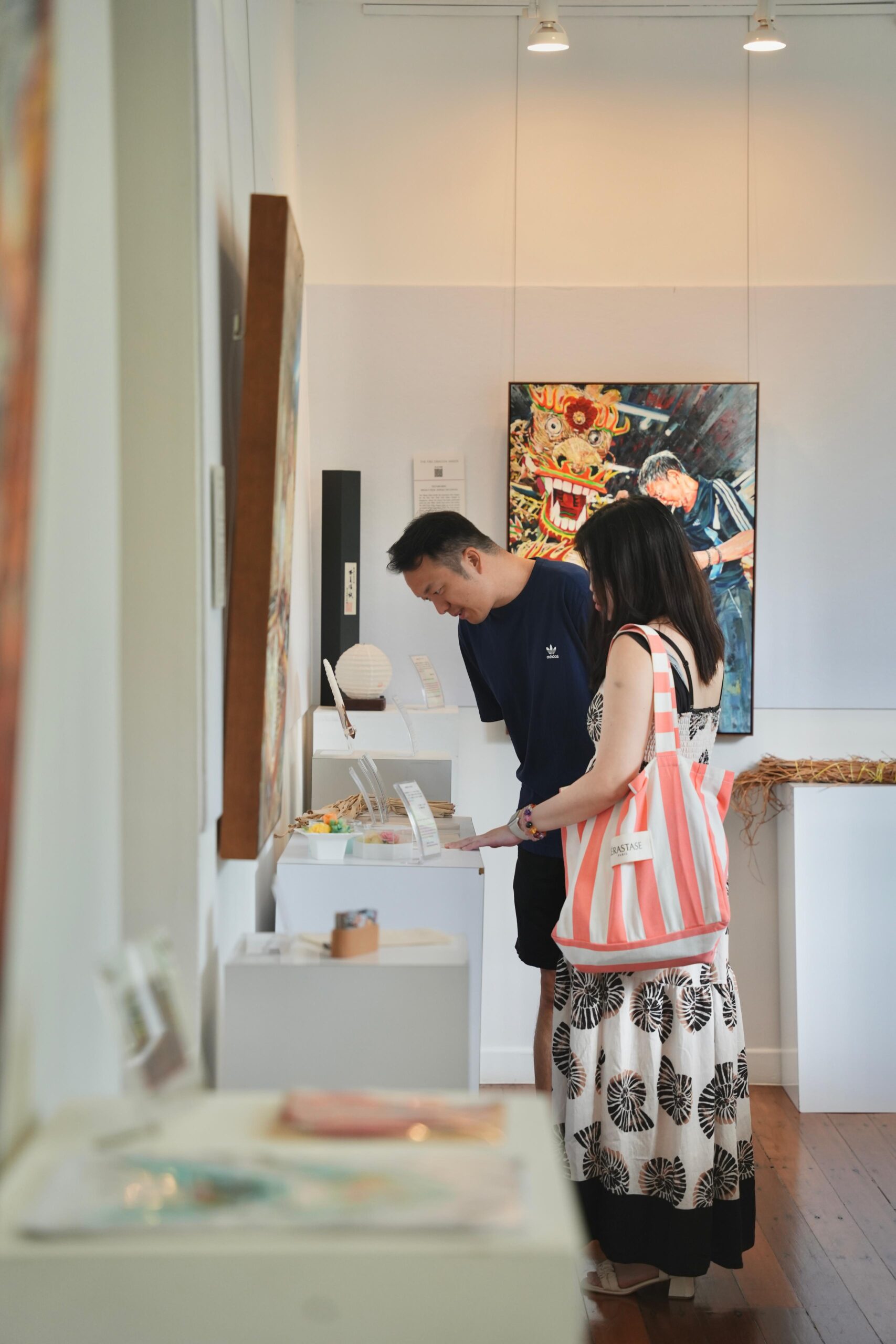
In every piece of Bizen ware lives the memory of earth and fire, and of the hands that shaped it. I will continue travelling across Japan, drawing the crafts sustained in each region and the stories of the people who keep them alive.
With the next full moon, we will bring you another story from Japan. We hope you’ll join us.