“An Artist’s Journey Through Japan” explores the crafts passed down from one generation to the next across Japan.
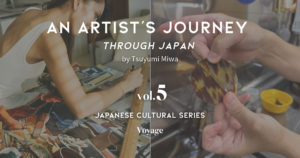
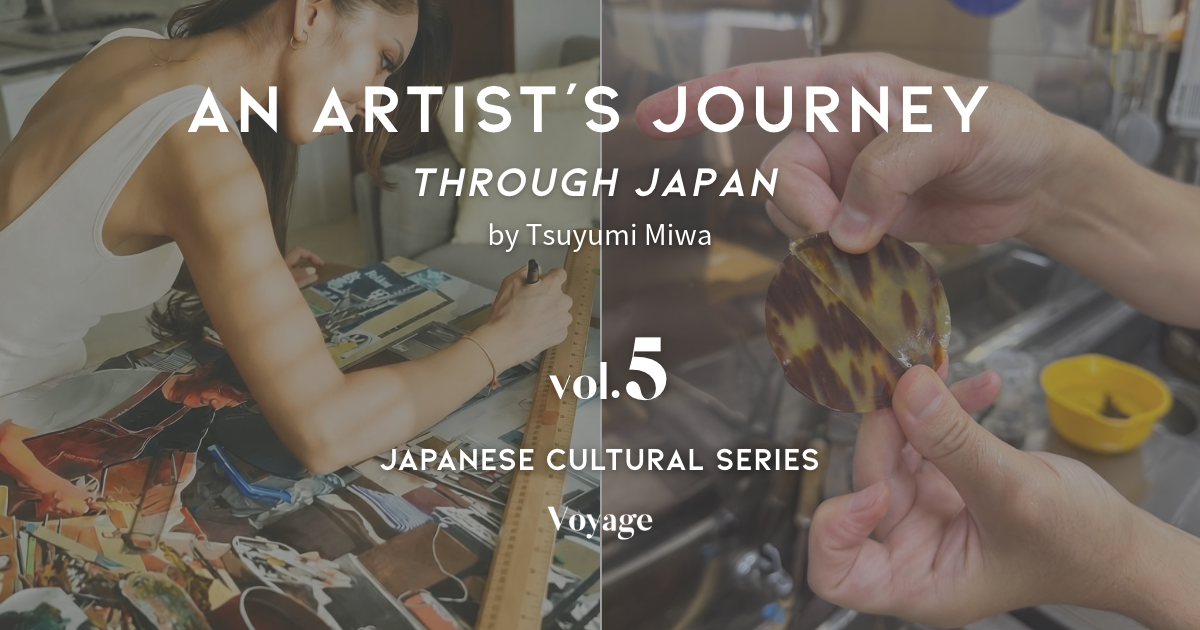
This time, artist Tsuyumi Miwa meets Tsuyoshi Isogai, a bekko craftsman with shops in Kameido and Asakusa, two of Tokyo’s historic neighborhoods. Through Isogai’s work, Miwa reflects on the skills passed down over generations and how a craft can be carried forward in a changing world.
The future of bekko craft involves more than preserving its techniques. It also raises questions about responsibility toward materials, changing values, and awareness of the natural world. Rather than offering easy answers, this chapter looks at the questions that arise where tradition and change meet.
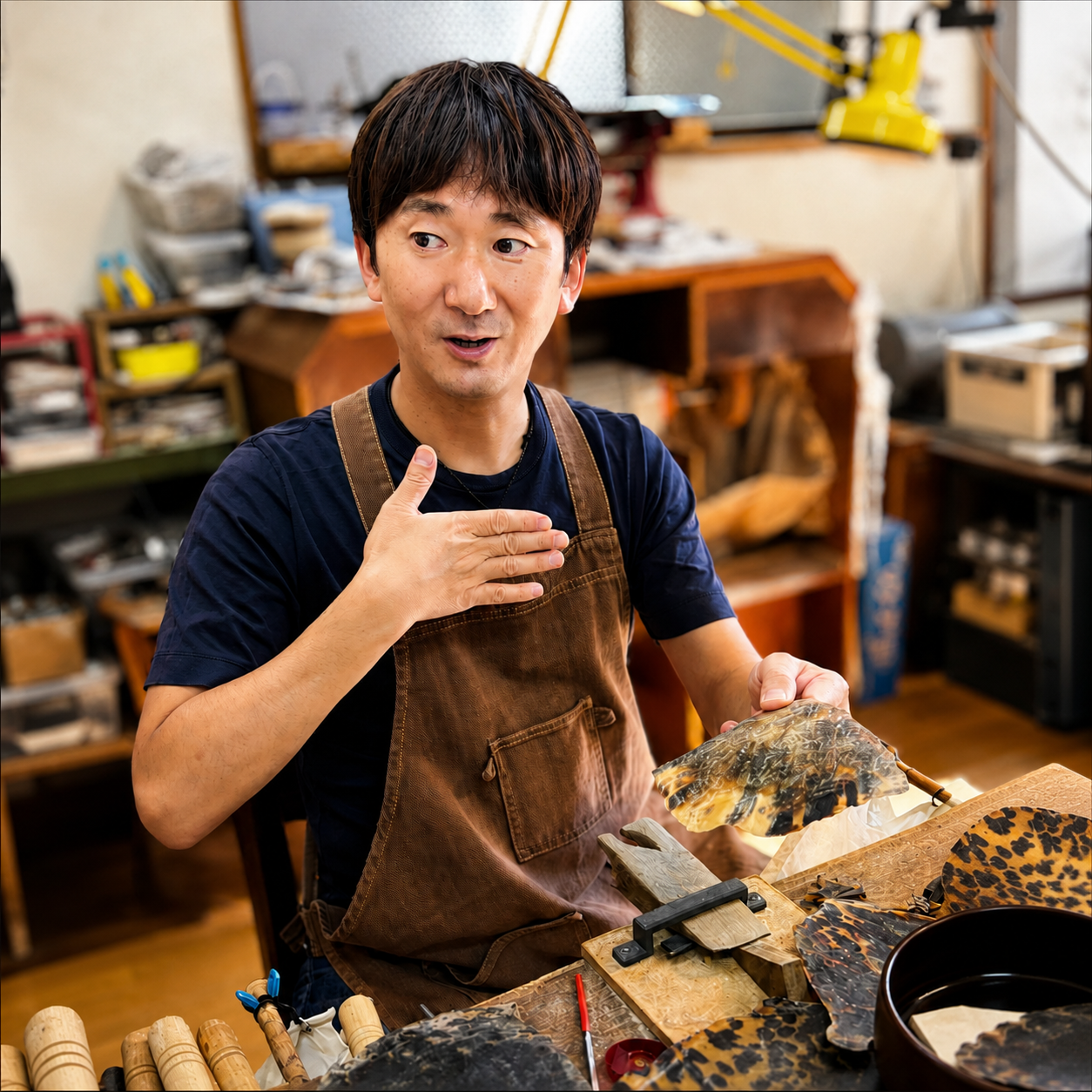
Episode 5: Bekko Craft — Carrying Tradition Forward in a Changing World
Some traditional crafts hold not only memories of the past, but also difficult questions about the future.
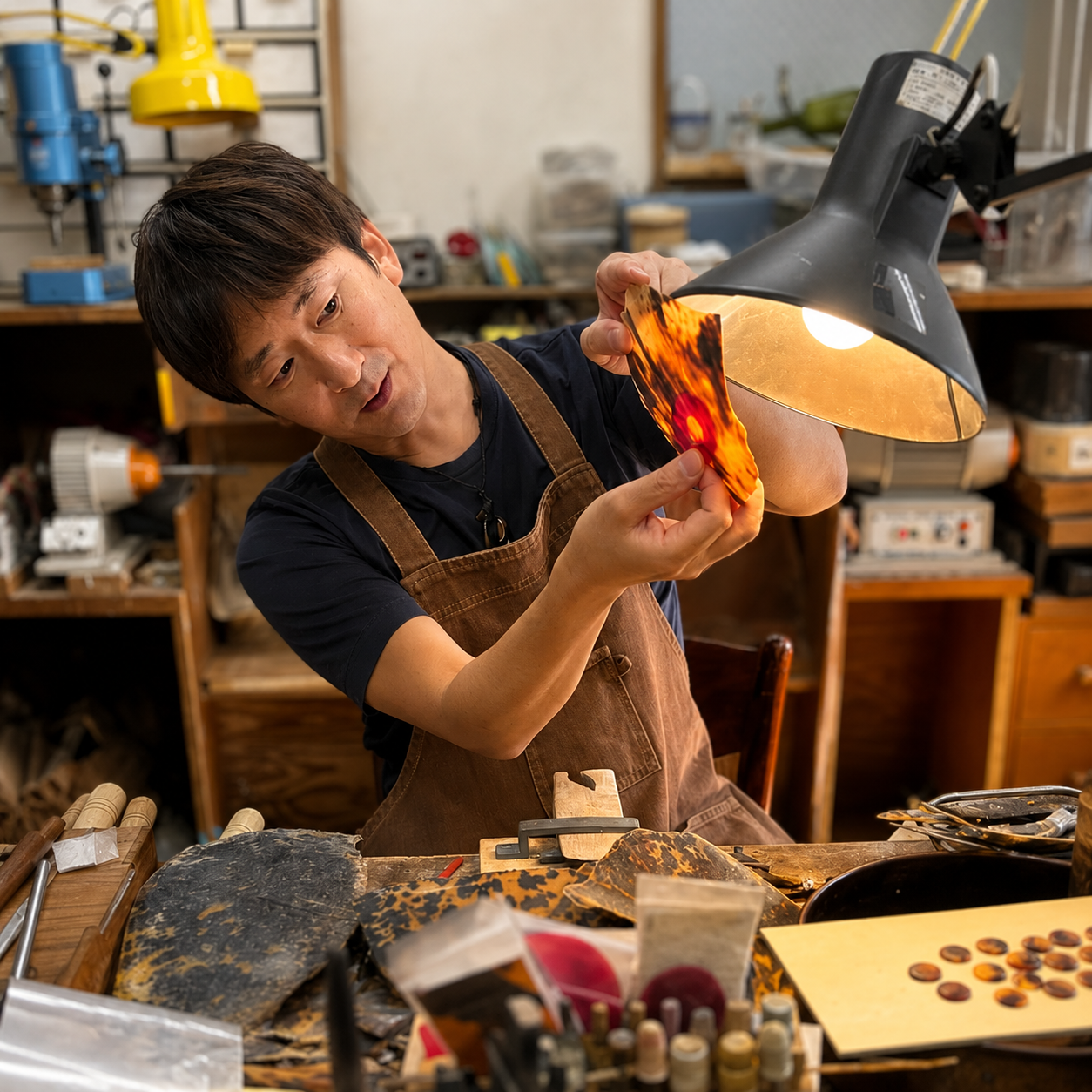
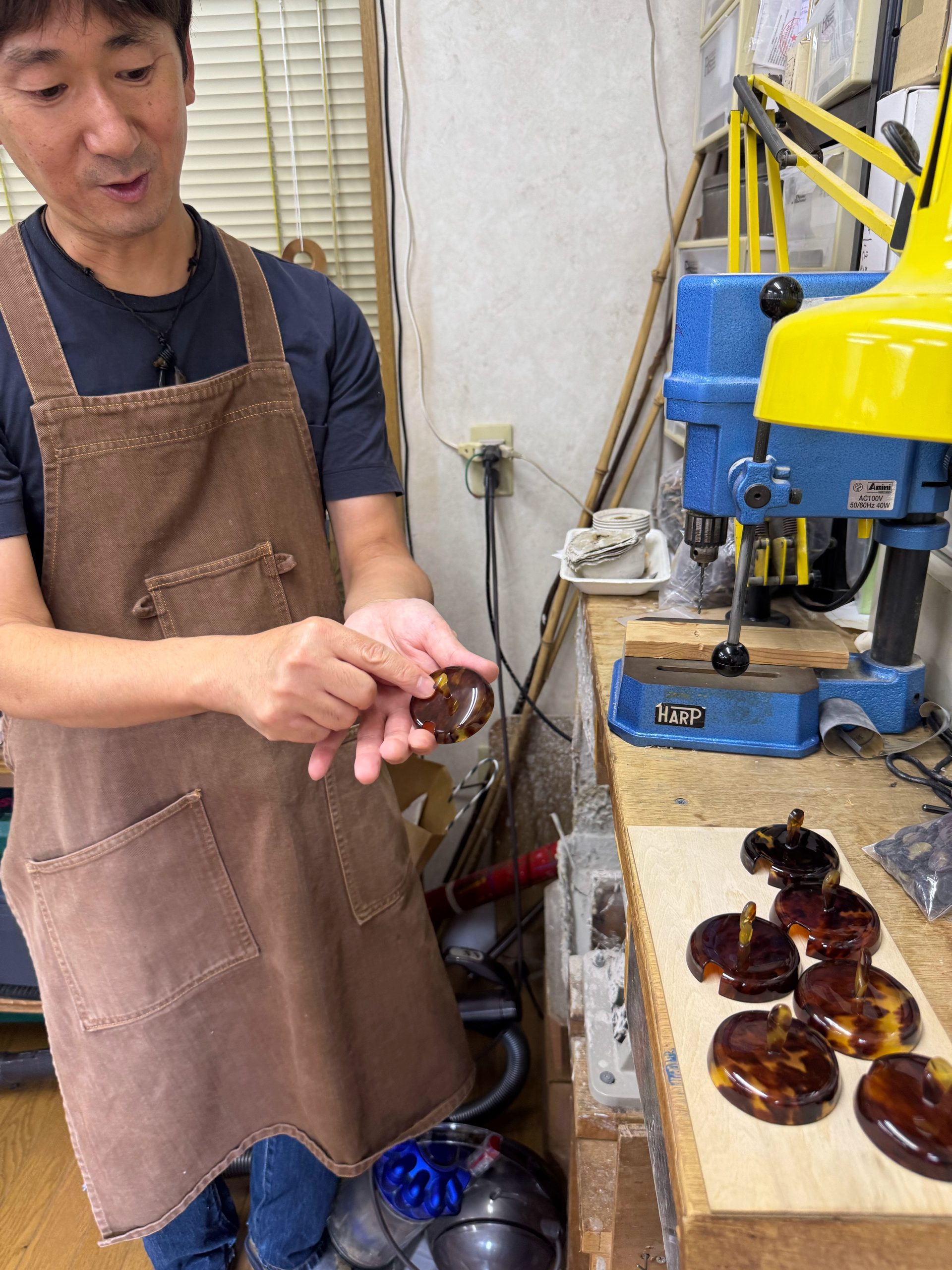
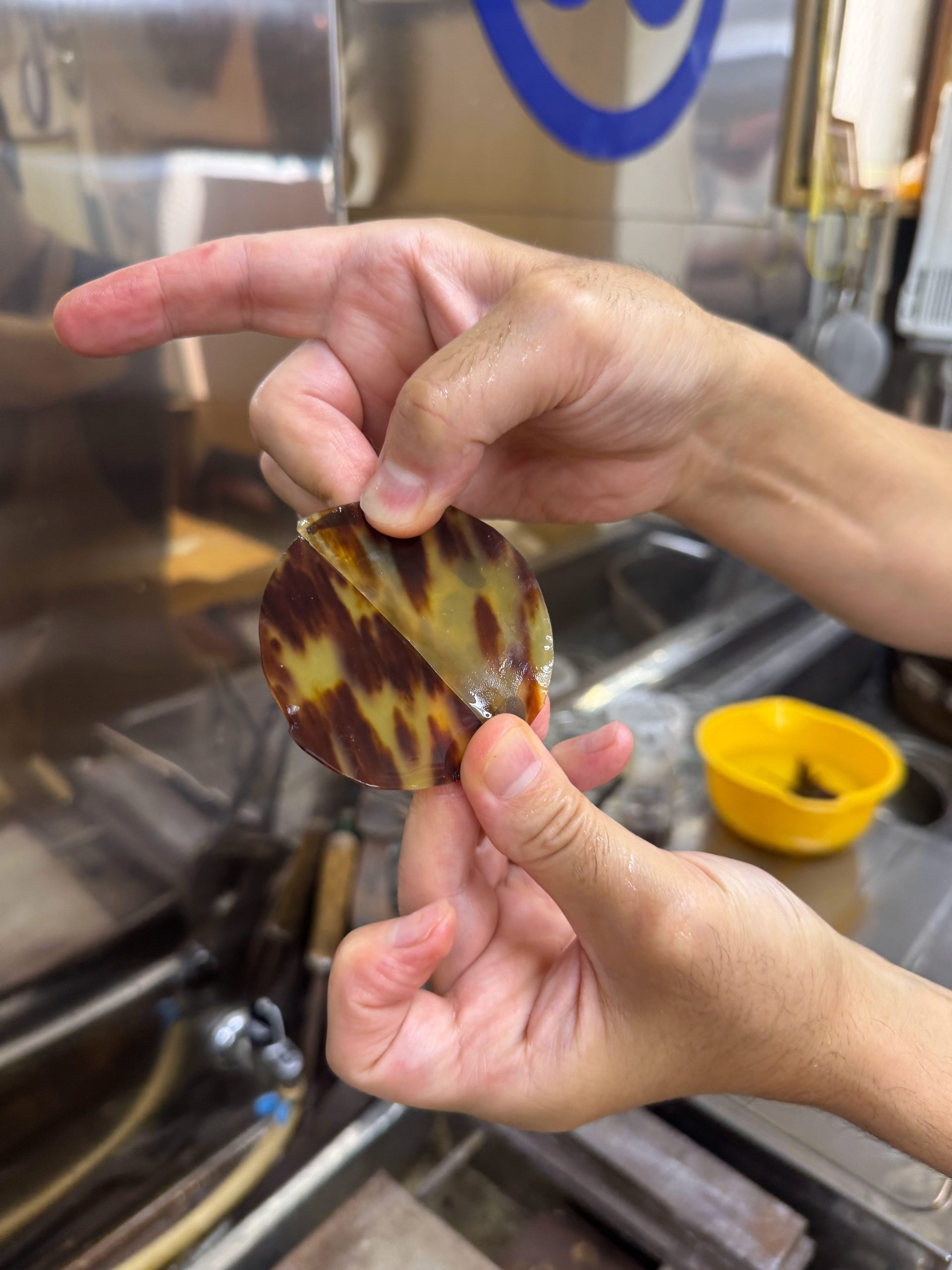
Bekko is one of them. Made from the shell of the hawksbill turtle, bekko has a lustrous, translucent quality and distinctive patterns in shades of amber and dark brown. Thin pieces are joined with heat and pressure, then shaped and polished into combs, hair ornaments, and other accessories.
Over generations, artisans have developed remarkable skills for shaping, joining, polishing, and finishing the material. Through their work, they bring out the warmth, translucency, and natural patterns of bekko.
Today, however, the continuation of this craft must also be considered in light of responsibility toward its materials, changing values, and awareness of the natural world.
The Knowledge Held in Every Movement
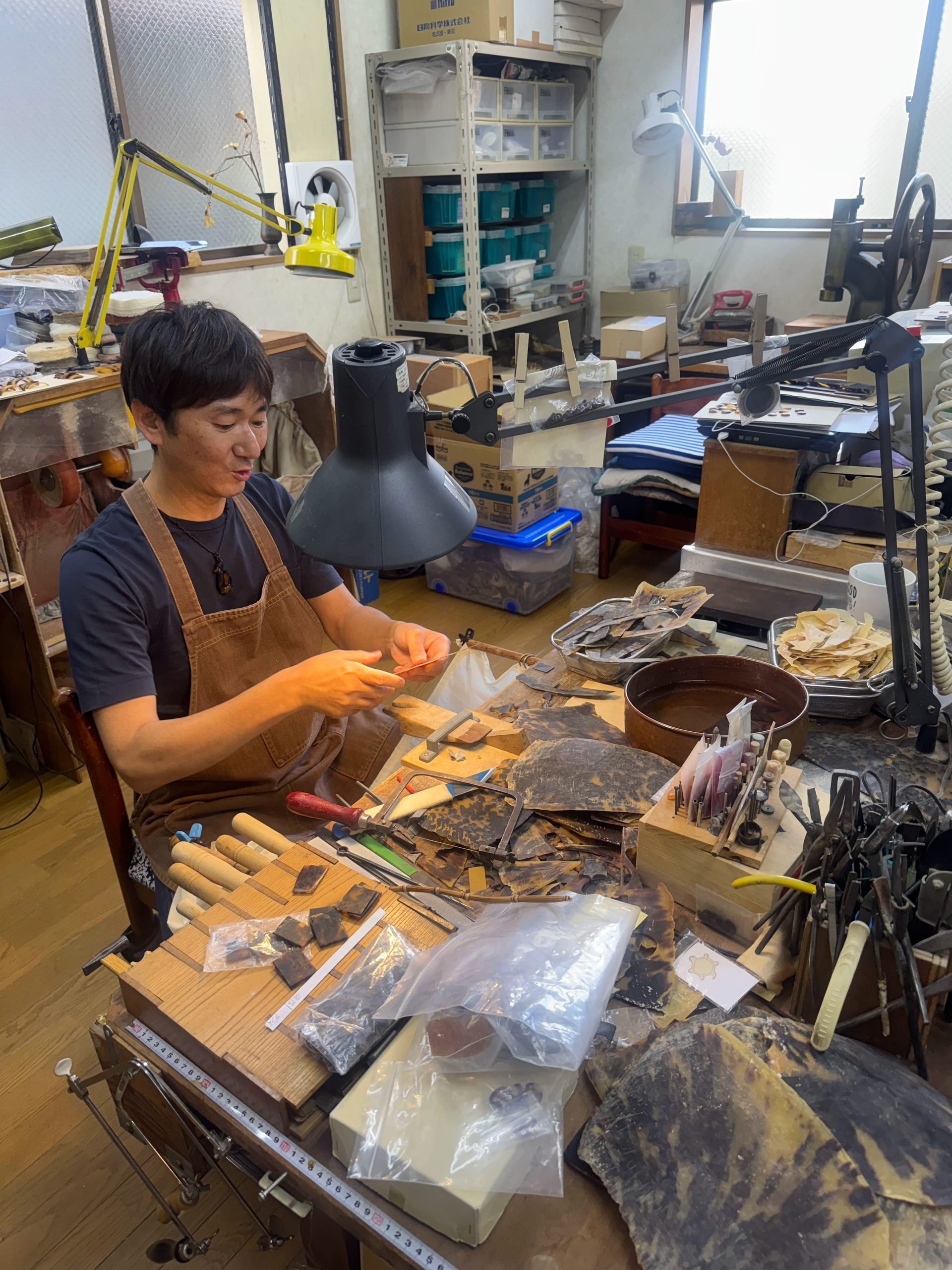
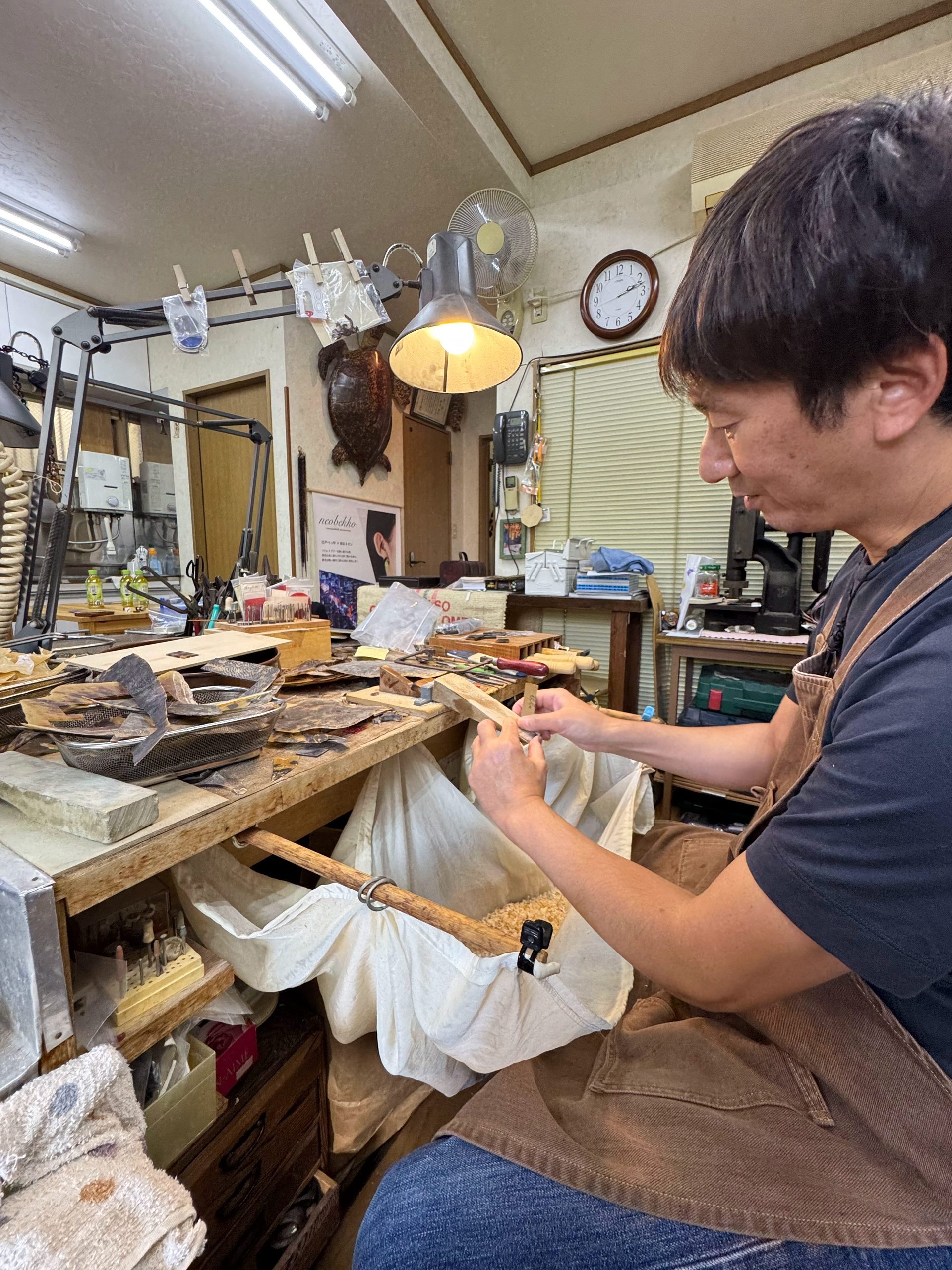
When I met Tsuyoshi Isogai, what stayed with me was the concentration within each movement.
Nothing was rushed. He examined the material closely, understanding its qualities before making a decision. Every curve required control, and each surface was refined patiently over time.
The knowledge in Isogai’s hands was not acquired quickly. It had taken shape over years of repeating the same actions, working with different materials, correcting mistakes, and learning through experience.
Watching him work, I began to think about what it means to preserve a tradition.
Preserving a Tradition While Making Room for Change
We often think of preservation as keeping something exactly as it has always been.
Yet culture does not exist apart from a changing world. New understanding brings new responsibilities. A tradition may need to reconsider its materials, methods, and future while still protecting the knowledge, discipline, and beauty that have given it meaning.
This does not make the tradition less authentic. It may be what allows its deeper spirit to continue.
For an artisan, change can be difficult. Craft is closely connected to identity, family, memory, and a lifetime of practice. Reconsidering any part of it takes courage.
Still, culture has endured because people have found ways to respond to new realities without forgetting where they came from.
What the Hands Remember

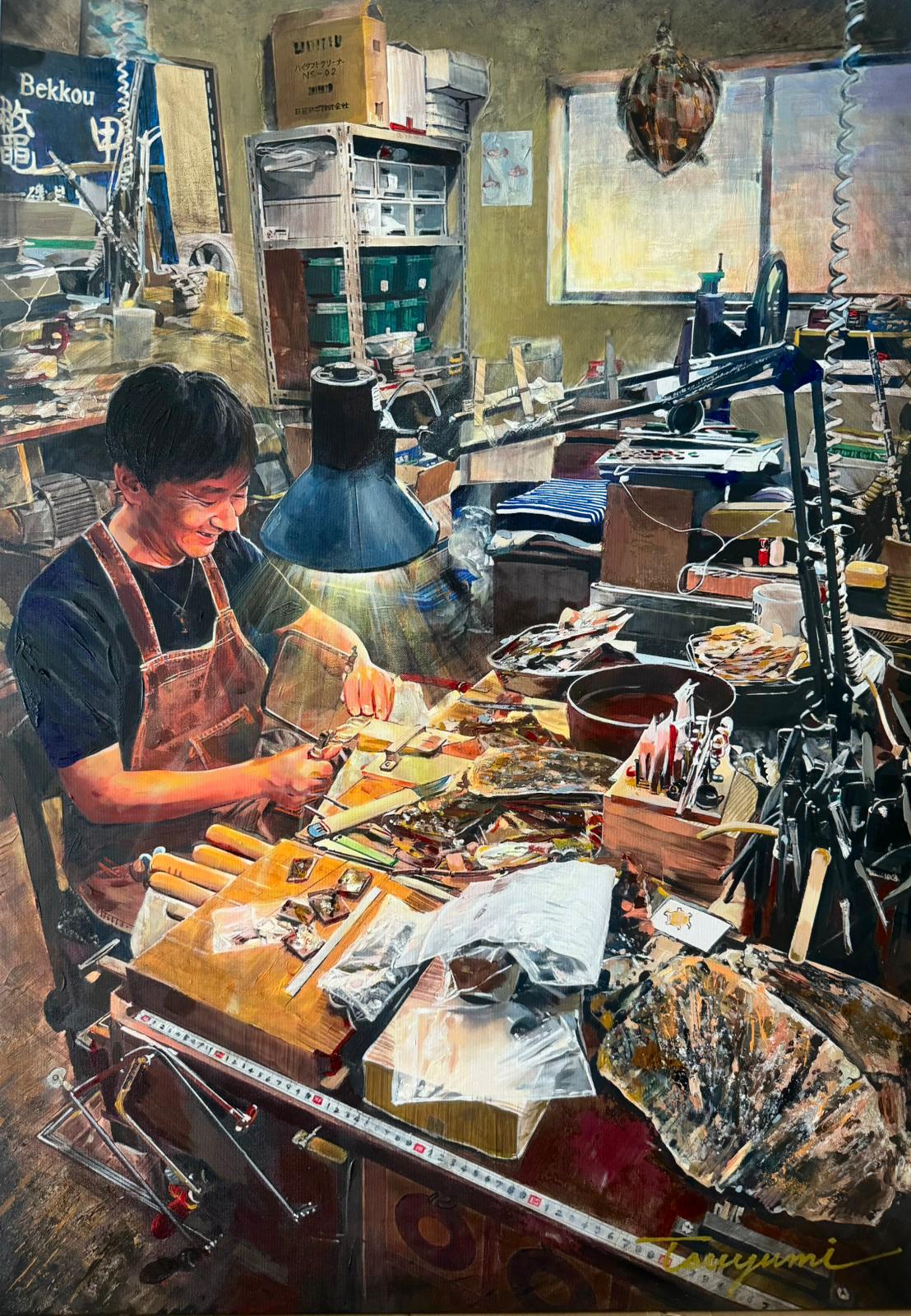
Meeting Isogai helped me see that craftsmanship is more than the ability to make something. It is also a way of seeing: a sensitivity to form, texture, and the changing qualities of a material. What an artisan passes on is not only the skill to create an object. The habits of observing, waiting, and shaping with respect are carried from one generation to the next, too.
In this Japan Cultural Series, I do not hope to offer a simple answer about the future of tradition. I want to look closely at the complexity that lies between inheritance and change. Preserving a tradition does not have to mean keeping everything exactly as it was. By carrying its essential spirit into a new era, we may find a way for it to remain alive.
I will continue travelling across Japan, drawing the crafts passed down in each region and the stories of the people who keep them alive.
With the next full moon, we will bring you another story from Japan. We hope you’ll join us.